Service Background
Service_1
monument

Monuments stand as enduring testaments to the passage of time and the stories of those who have shaped history. Crafted with meticulous attention to detail and artistic finesse, these structures transcend the present, serving as tangible links to the past. Each monument reflects a unique narrative, preserving the memory of events, individuals, or ideals that have left an indelible mark on society.

The artistry embedded in monuments is a testament to human creativity and skill. From intricately carved sculptures to grand architectural designs, monuments are expressions of cultural, historical, and artistic significance. They often serve as focal points for remembrance, inviting reflection and contemplation on the experiences and legacies of those being commemorated.

Beyond their aesthetic appeal, monuments play a crucial role in cultural heritage and identity. They serve as landmarks that anchor communities to their roots, fostering a sense of continuity and shared history. In doing so, monuments contribute to the shaping of collective memory, reinforcing the connections between past, present, and future generations.

Monuments also serve as platforms for the expression of societal values and ideals. Whether honoring the sacrifices of individuals in times of war, celebrating cultural achievements, or acknowledging pivotal historical events, monuments communicate the aspirations and principles that a community holds dear. As silent witnesses to the evolution of societies, monuments encapsulate the essence of the human experience.

Service 2 Image
headstone

Headstones, with their solemn presence in cemeteries and memorial grounds, hold a profound significance as personalized markers of individual lives and legacies. Carved from enduring materials, these memorial stones encapsulate the essence of a person's journey, distilling it into a tangible and lasting tribute. Each headstone, adorned with inscriptions, symbols, and often accompanied by meaningful artwork, serves as a poignant reminder of the unique stories etched into the tapestry of human existence.

The artistry embedded in headstone design goes beyond mere craftsmanship; it is an intimate reflection of the individual it commemorates. From elegantly scripted names and dates to heartfelt epitaphs, headstones become vessels for expressing the essence of a person's character, values, and the impact they had on the lives of those around them. The choice of materials, be it granite, marble, or other durable stones, adds a timeless quality to these markers, ensuring they withstand the tests of weather and time.

Beyond their aesthetic role, headstones play a crucial part in the grieving process, offering solace and a tangible focal point for remembrance. Families and friends find comfort in the physical presence of a headstone, a place to visit, reflect, and honor the memories of their loved ones. In this way, headstones become sacred sites of connection, facilitating an ongoing relationship between the living and the departed.

The symbolism often engraved or carved into headstones adds layers of meaning and cultural context. Religious symbols, personal emblems, or depictions of cherished hobbies further personalize the memorial, creating a visual narrative that resonates with those who visit. This intentional symbolism contributes to the uniqueness of each headstone, reinforcing the idea that every life is a story worth remembering and celebrating.

Service_3
plaque

Plaques, with their compact yet impactful presence, serve as versatile and enduring means of commemoration and recognition. Often crafted from durable materials such as metal, wood, or stone, these markers are designed to withstand the passage of time while providing a lasting tribute to individuals, events, or achievements. From public spaces to private memorials, plaques offer a concise yet poignant platform for conveying appreciation, remembrance, and the celebration of noteworthy contributions.

One of the defining characteristics of plaques is their adaptability to various settings. Whether affixed to walls, mounted on stands, or embedded in the ground, plaques seamlessly integrate into diverse environments, becoming integral parts of the spaces they adorn. This versatility allows for their utilization in a wide range of contexts, including historical landmarks, buildings, parks, and memorial gardens.

The inscriptions on plaques are carefully crafted to encapsulate essential information, achievements, or sentiments concisely. From dedications and acknowledgments to historical facts and quotes, the text on a plaque is thoughtfully curated to convey the intended message with clarity and impact. The choice of font, material, and layout further contributes to the overall aesthetic and communicative qualities of the plaque.

Plaques play a significant role in memorializing individuals, groups, or events. Whether commemorating a historical figure, honoring the contributions of community members, or marking significant milestones, these markers become tangible links to the past. Their presence in public spaces fosters a sense of shared history and cultural continuity, serving as educational tools that convey the significance of the commemorated subject to present and future generations.

Service_4
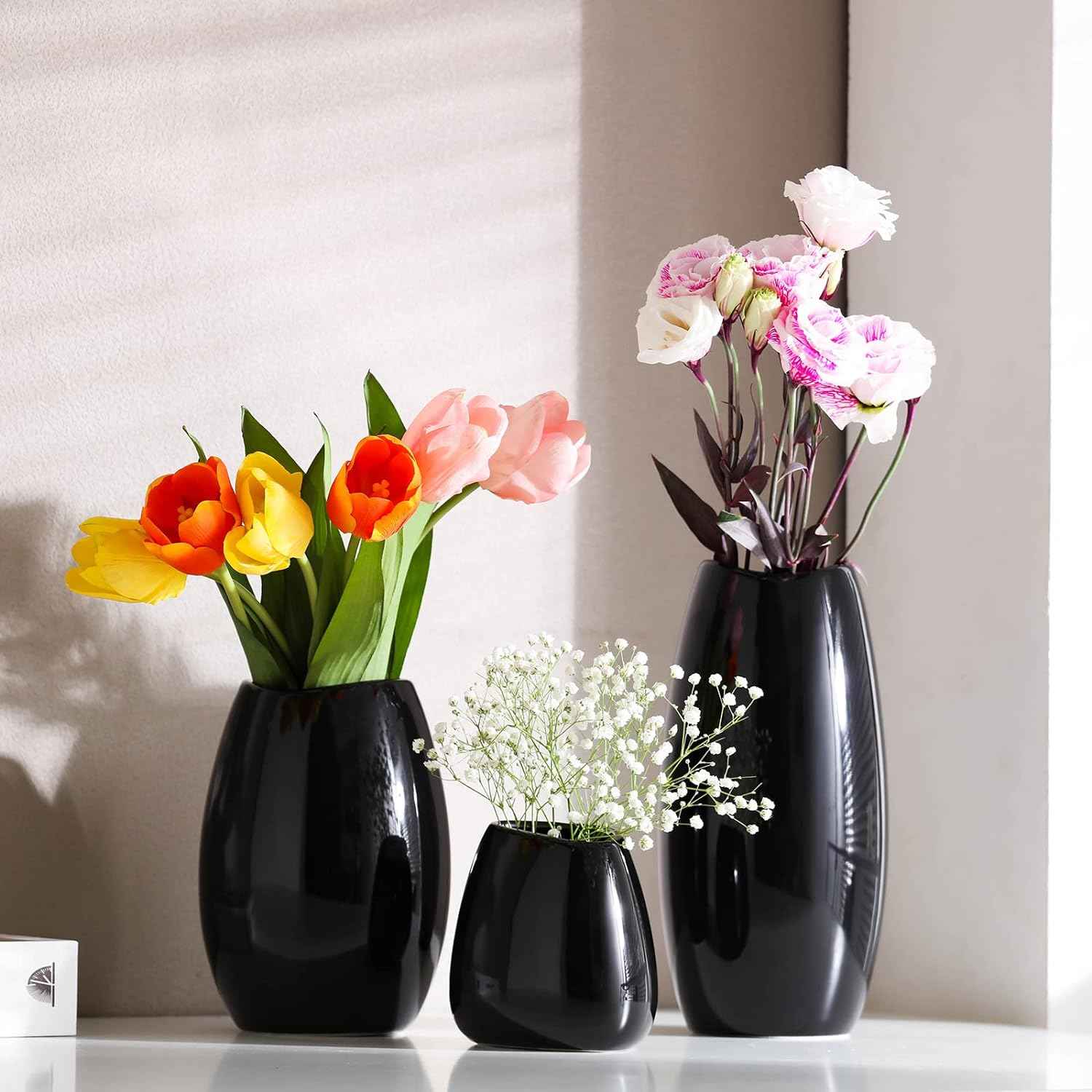
vase

Vases, often associated with floral arrangements, possess a dual nature as both functional containers and decorative elements that contribute to the aesthetics of various spaces. Crafted from a diverse range of materials such as glass, ceramic, metal, or even stone, vases serve as versatile vessels that can enhance the beauty of the flora they hold or stand alone as works of art. In homes, event venues, and public spaces, vases play a pivotal role in bringing nature indoors and adding a touch of elegance to the surroundings.

The primary function of a vase is to hold and display flowers, plants, or other decorative elements. Their varied shapes, sizes, and designs cater to different tastes and preferences, allowing individuals to select vases that complement the overall decor of a space. Vases become a canvas for creative expression, as the choice of arrangement and the combination of colors and textures contribute to the visual impact they create.

Beyond their functional use, vases often hold symbolic significance. In many cultures, the act of arranging and gifting flowers in a vase carries emotional meaning, representing sentiments of love, sympathy, celebration, or remembrance. Vases become vessels of expression, allowing individuals to convey their emotions through the language of flowers and the artful presentation within the container.

Vases also play a role in interior design, influencing the visual appeal of a space. Whether placed as standalone decorative pieces or as part of a larger ensemble, vases contribute to the overall ambiance. The choice of a vase's design, color, and placement can transform a room, adding a dynamic and artistic element that enhances the atmosphere and reflects the style preferences of the inhabitants.